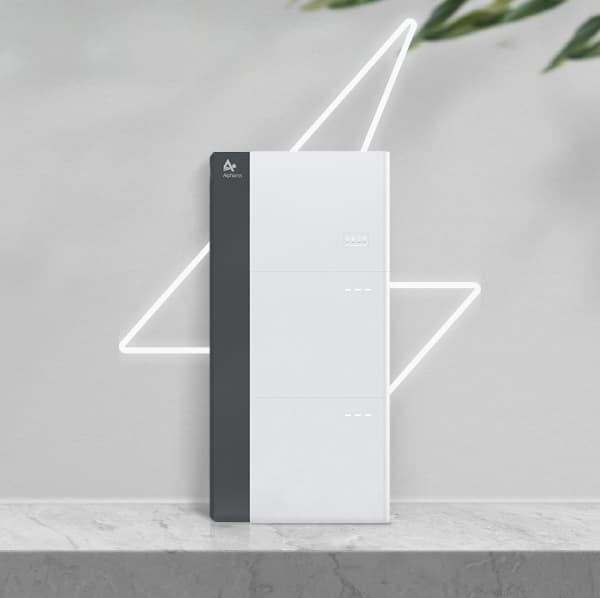
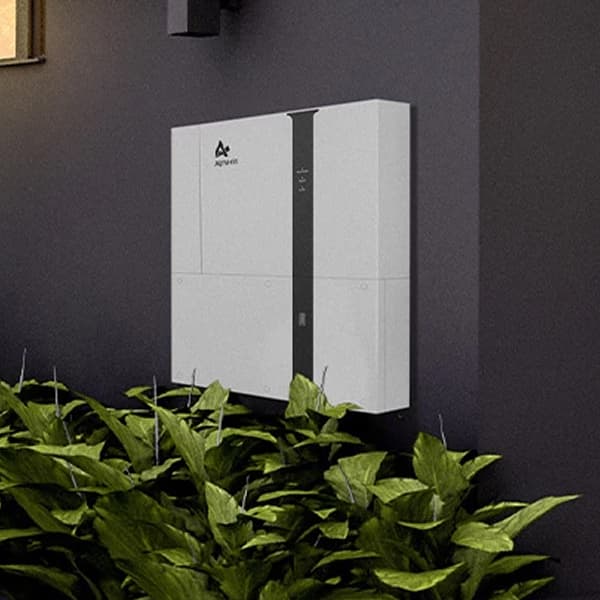
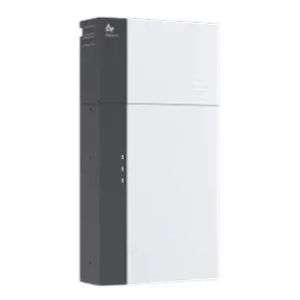
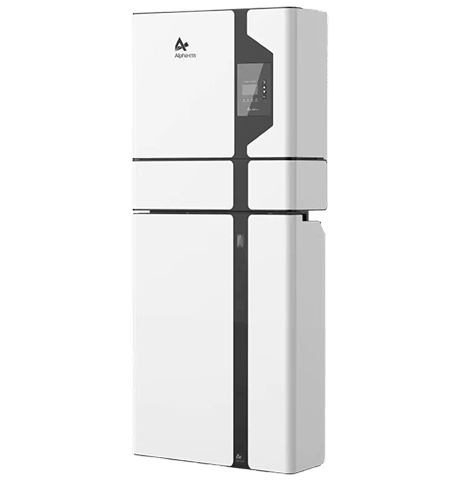
Smile G3
(S3.6/S5/B5)
A modular system that pairs solar and storage for flexible home setups.
Download Data Sheet
locations


If you live in Tasmania, you've probably noticed power prices creeping higher year after year. Combine that with unpredictable weather and the occasional blackout, and it's no surprise more Tasmanian households and businesses are investing in solar batteries (we would too).
At Solar Battery Group, we make the process simple. From supply and installation to ongoing monitoring and support, we're here to deliver more than just a product… We're here to provide long-term peace of mind and real savings.

July 1, 2025 has brought on a new rebate just for solar batteries. The Cheaper Home Batteries Program is a federal government solar rebate that will offer around a 30% discount on eligible small-scale battery systems installed alongside new or existing rooftop solar. This was a program that was originally allocated a $2.3bn budget that has now been expanded to $7.2bn.
The best part? There are no postcode or income restrictions. It's available to home and business owners (and even landlords). Read more about how you can access the Cheaper Home Battery Rebate in Tasmania here.
The rebate is delivered through Small-scale Technology Certificates (STCs) under the renewable energy scheme. All of Tasmania falls under Zone 4, with Hobart receiving around 3.7 kWh/m² per day of solar radiation.
To be frank, this is the lowest STC zone (shared by southern Victoria and some southern areas in Western Australia). Which means Tasmania gets a lower percentage back from the Federal Battery Rebate compared to the rest of the country. Despite this, solar batteries have still become widely more affordable now than they have been before.
Tasmanians installing a 10kWh solar battery now can expect approximately $3,300 - $3,700 or more shaved off the cost of their installation.
If you want to get the most rebate back for your installation, you'll also want to know that you will get back more the earlier you install. Changes to the Home Battery Rebate will mean that these values will now drop twice a year (in January and July) and battery capacities will now be treated differently through a new tiered system.
Please Note: Tasmania's Energy Saver Loan Scheme (ESLS) has now ended.
Tasmania may be known for its cooler climate, but the state still enjoys strong solar potential. The challenge? Most of us aren't home when our solar panels are generating peak power during the day. That means relying on expensive grid electricity at night. That is… unless you've got a solar battery.
With a solar battery, you can:

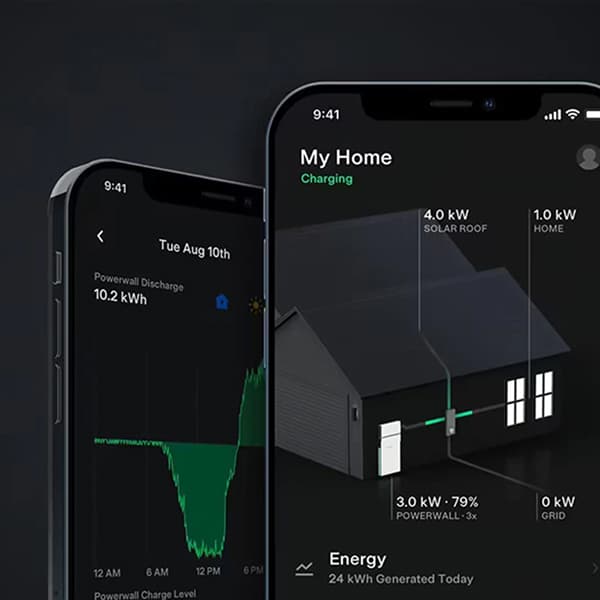
Today's solar batteries are more than just energy storage; they're smart energy managers. With integrated apps, you can track your energy use, see your savings in real time, and even control when your system buys or sells power back to the grid.
When paired with your solar panels and inverter, the right battery system can almost eliminate evening grid dependence and give you far more control over your energy future.
For Tasmanian households exploring solar and battery options, the biggest savings don't come from exporting power - they come from using your own solar energy.
With electricity prices around 26-30c per kWh and feed-in tariffs dropping to about 8.78c per kWh (2025-26), every unit of solar power you use in your home is worth almost three times more than exporting it.
Why This Matters
In 2026, the smartest way to save with solar in Tasmania is simple: consume more of what you generate and reduce reliance on the grid. Besides shifting habits, one of the easiest ways to do this is with a solar battery.
We've carefully selected a range of solar batteries suited for Tassie conditions, focussing on long service life, retrofit compatibility, modular expansion, safety, and reliable performance for homes in Hobart and beyond.


In 2021, 21% of Tasmanian homes had solar panel systems installed on their rooftop. But only 0.5% had solar panels and batteries installed.
Since July 2025, the launch of the National Battery Rebate, that number has increased exponentially. Alpha ESS solar batteries has been one of the top four selling battery brands for Australia in 2025, as a reliable and cost-effective battery that also makes it easy for installers to retrofit into existing solar system installations.
No matter the solar battery brand, these are the factors you want to look for when considering a solar battery retrofit installation:
AC-coupled batteries are one of the most common retrofit solutions for existing solar systems. In this setup, the battery system is installed alongside your current solar inverter and connected through the home's AC switchboard. This means the solar energy generated by your panels is first converted to AC electricity by the inverter, then stored in the battery when needed. The key benefit of AC coupling is that it does not require replacing your existing inverter.
DC coupled system is also an easy fit if your system uses a hybrid inverter
Some solar battery systems include integrated or built-in inverters, creating an all-in-one energy storage solution. These systems simplify the installation process because the inverter and battery are designed to work together within a single unit. For retrofit projects, this can reduce compatibility concerns and make system design easier for installers.
Before installing a battery, it is important to ensure that it is compatible with your current solar setup.
Explore Battery OptionsThis should include:
Inverter type and brand
Solar system size and output
Electrical switchboard capacity
Communication protocols between inverter and battery
Many modern battery systems are designed to be inverter-agnostic, meaning they can work with a wide range of solar systems. However, professional assessment by a qualified installer is essential before retrofitting.
(Not modular but can be doubled in energy capacity through Powerwall 3 Expansion packs)
A premium home battery designed for higher energy use and growing households. It offers strong storage, smart energy control, and reliable backup when you need it.

A flexible battery system that works well with existing solar setups. Ideal for households wanting reliable storage with room to scale over time.

A value-focused battery with proven performance and broad compatibility. A solid choice for homes wanting reliable storage without premium pricing.

A scalable LFP battery ideal for large households wanting to maximise solar self-consumption and reduce grid reliance.

A reliable and scalable solar battery designed for Australian homes looking to store more solar energy, reduce grid reliance, and get more value from their system day and night.


(S3.6/S5/B5)
A modular system that pairs solar and storage for flexible home setups.
Download Data Sheet
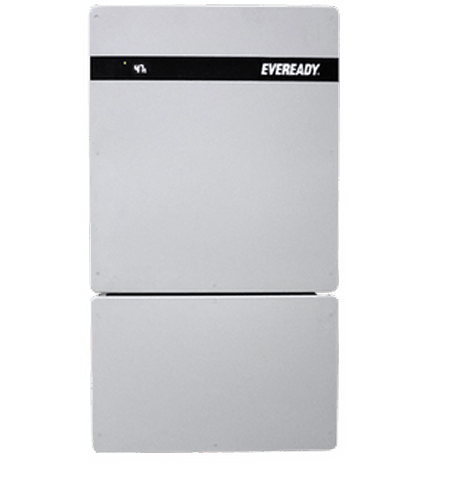
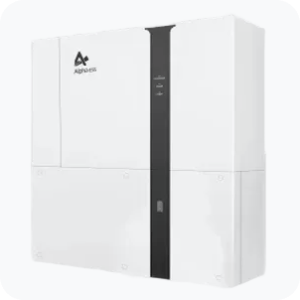
Extra capacity for households needing a bit more evening coverage.
Download Data Sheet
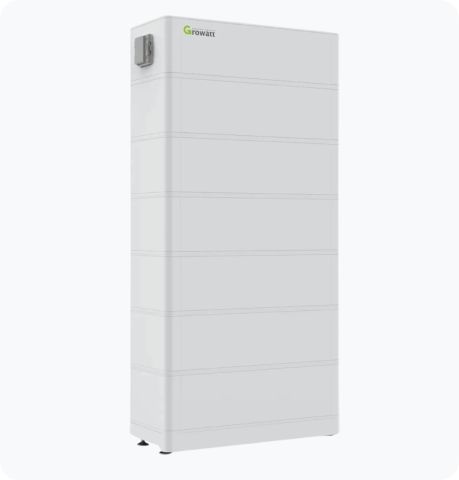
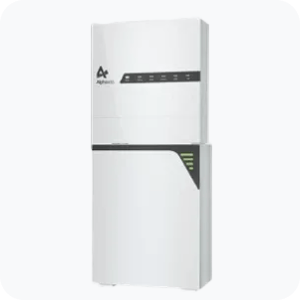
High-voltage storage designed for larger homes and higher demand.
Download Data Sheet
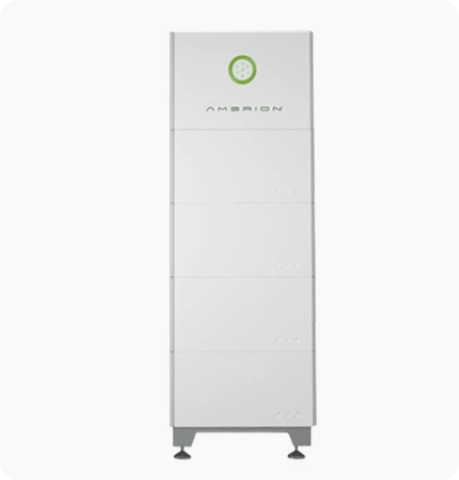
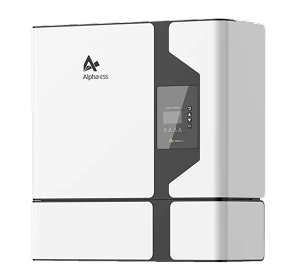
An all-in-one hybrid battery ideal for users that want serious, scalable energy storage and reliable protection from blackouts.
Download Data Sheet
A scalable LFP battery ideal for large households wanting to maximise solar self-consumption and reduce grid reliance.
Download Data Sheet
A solar battery is more than just how much energy it can store. Looking at the key features helps you understand how the battery will work in your home and whether it suits Tasmania's conditions.

To qualify, your system must:

If you do not yet have solar panels, we offer solar PV and battery bundles designed specifically for Tasmanian homes. Installing both together allows you to combine the Federal battery rebate with the STC solar rebate, helping reduce the upfront cost of getting started with solar and storage.
Bundling your system also means everything is designed to work together from day one. Your solar panels, inverter, and battery are matched as a single system, which can improve overall performance and help you get the most value from your solar investment sooner.

For many households across Tasmania, including Hobart, adding a solar battery to an existing solar PV system can significantly reduce electricity bills. By storing excess solar energy during the day and using it in the evening, homeowners can rely less on grid electricity when prices are highest.
Tasmanians installing a 10kWh solar battery right now can also benefit from substantial upfront support. Current rebates can reduce the cost of installation by around $3,300 to $3,700 or more, which works out to roughly $330 to $372 per kWh of battery capacity.
We know you've got options when it comes to choosing solar battery installers. Here's why homeowners in Tasmania trust Solar Battery Group:
We only use SAA-accredited installers and CEC-approved products to guarantee your system is safe, efficient, and built to last.
From supply to installation of batteries, panels, and inverters, we are a one-stop shop.
When you choose Solar Battery Group, there’ll be no hidden costs, no confusing quotes — just clear and honest pricing so you know exactly where your money’s going.
We understand Tasmania's energy challenges, from rising costs to weather-related outages. We'll also guide you through what energy efficiency or solar technology rebates are available to you in Tasmania and handle the paperwork so you can stress less. Whether you require a battery for an existing solar setup or you're starting fresh with a complete system, our team can design the right solution, tailored to your needs.
At Solar Battery Group, we're here to help you make a smart and confident decision about your energy future. We've helped thousands of local households and businesses make the switch to solar batteries, and it's not just because of the products we offer. It's how we do things.
We listen first
We only use trusted brands
We're here for the long haul
Get your free quote today and see how much you could save.
If you're ready to take control of your energy bills and eliminate blackout risks, we're here to help. We'll make the process so simple, you'll be asking yourself why you didn't make the switch sooner.

Installing a solar battery is a strong step toward greater energy independence. However, the real value often comes from how the system is used day to day. For households across Tasmania, including Hobart, understanding local conditions such as seasonal solar production and energy habits can help you get the most from your solar and battery system.
Below are several practical ways to maximise your savings.
Virtual Power Plants, or VPPs, connect many home batteries together so they can support the grid during times of high demand. In return, participating households may receive bill credits or other financial incentives.
In Tasmania, VPP options are still developing compared to markets like South Australia. TasNetworks has run several “battery neighbourhood” pilot programs, and some national providers such as ShineHub and SonnenFlat have started offering compatible systems.
Under the Federal Cheaper Home Batteries Program starting July 1, 2025, new grid-connected batteries must be VPP-capable to qualify for the rebate. This means that even if you do not join a VPP immediately, your system will be ready as more programs roll out across Tasmania in the future.
Most modern solar batteries include a monitoring app that lets you track your solar generation, household energy use, and battery charge levels.
These apps help you see exactly how your system is performing and when your home consumes the most energy. Many also allow simple automation, such as prioritising self-consumption or adjusting charging behaviour.
Over time, regularly checking this information helps households in Hobart and across Tasmania make smarter decisions about when to store energy and when to use it.
Tasmanian solar systems produce strong energy output in summer but noticeably less during winter months. This is simply due to shorter daylight hours and the state’s southern latitude.
For example, a north-facing 6.6 kW solar system in Hobart produces much less electricity during winter compared with an identical system in Sydney. The seasonal drop in generation is significantly more pronounced in Tasmania.
This makes solar batteries particularly valuable. By storing excess energy during sunnier periods of the day, households can rely less on the grid in the evening or during cloudy winter conditions when solar production is lower.
Like most of Australia, north-facing solar panels produce the highest total energy output in Tasmania. However, Tasmania’s location creates some unique differences compared with mainland states.
In many parts of Australia, east- and west-facing panels tend to produce similar annual energy levels. In Hobart, this is not the case.
Because Tasmanian mornings are often colder, households tend to use more electricity early in the day for heating and hot water. East-facing panels begin generating earlier in the morning, which can better align with these usage patterns.
For homes where energy use peaks in the morning, installing panels on an east-facing roof can sometimes provide better real-world benefits than a west-facing setup. However, households that use more electricity in the afternoon may still benefit from west-facing panels.

Solar panels generate less electricity in the evening, on cloudy days, and throughout winter. These conditions are common across Tasmania.
A battery allows you to store excess daytime solar energy and use it later when generation drops. Prioritising self-consumption in your battery settings ensures the power you produce during the day continues to support your home after sunset.
Some solar batteries allow optional charging from the grid during off-peak electricity periods, usually late at night when energy prices are lower.
This can help keep your battery topped up during long stretches of cloudy weather or winter months when solar generation is reduced. It provides a useful backup strategy while still reducing reliance on higher-priced electricity during peak periods.
The efficiency of your appliances has a direct impact on how long your stored battery power lasts. Upgrading to energy-efficient appliances, particularly for heating, refrigeration, and laundry, can significantly reduce electricity demand.
In Tasmania, where heating can be one of the largest household energy costs during winter, improving appliance efficiency can help stretch your stored solar energy further and increase the overall value of your solar battery system.