
Reduce Energy Costs
Reduce energy costs up to 3 times compared to conventional electric and gas water heaters.

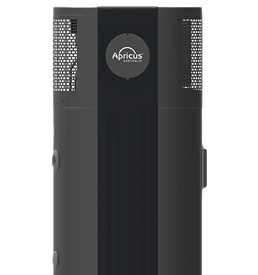
Intelligent All-In-One Air Source Water Heat Pump. Apricus All-in-One Heat Pump reduces energy costs by 70% compared to conventional electric and gas water heaters, with an annual carbon reduction rating of 3 tonnes. Eligible for solar and heat pump water heater rebates, saving you more on your annual energy bills.
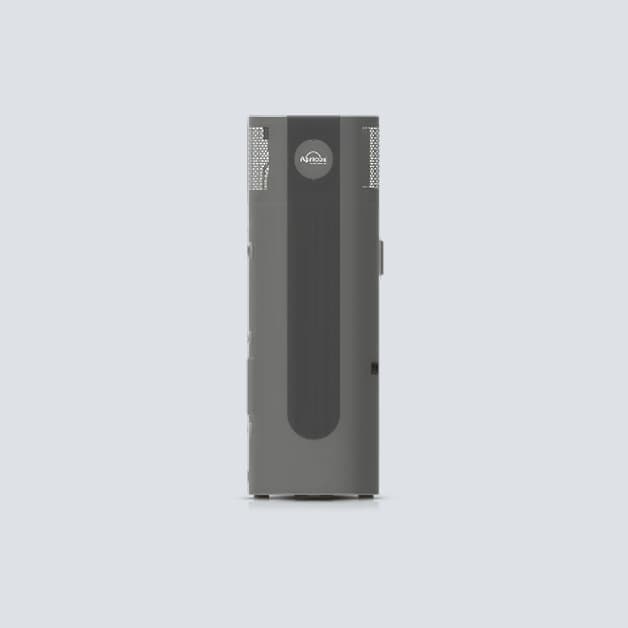
Reduce energy costs up to 3 times compared to conventional electric and gas water heaters.
Registered Clean Energy product with annual carbon reduction rating of 3 tonnes.
Real time power usage monitoring capability means households can now take control of their power bills.
Integrate and maximise your PV with in-built timer controlled heat up cycles.
Dual heating technology with incorporated electric element to provide hot water up to 70°c.
Smart touch screen controller makes optimising the system easier than ever.
R290 natural refrigerant with zero global warming potential compared to synthetic.
Eligible for solar and heat pump water heater rebates schemes such as STC & VEEC & ESC
A massive 6 year warranty
Check out our comparative cost and performance analysis of a wide variety of 260 litre hot water systems below to see how much you could save.
260 L/day hot water delivery * 365 Days
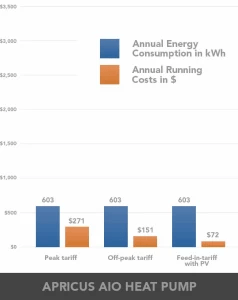
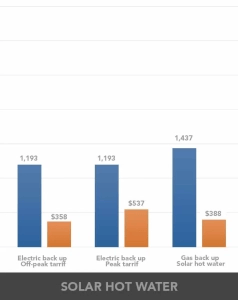
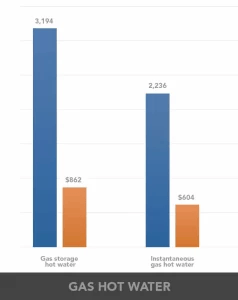
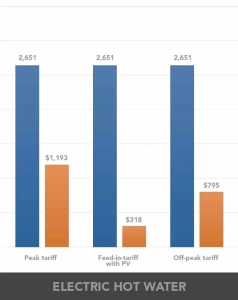
Peak tariff: 45 cents/kWh
Off-peak tariff: 25 cents/kWh
PV feed-in-tariff: 12 cents/kWh
Gas usage tariff: 27 cents/kWh
Note: Payback for Apricus All In One Heat Pump would range from as low as 2 to 3 years, depending on the current electric hot water system cost and electricity prices.


Call us now or request a call back from one of our staff. The choice is yours.



 Solar
Solar17 Jan 2026 • 5 mins read
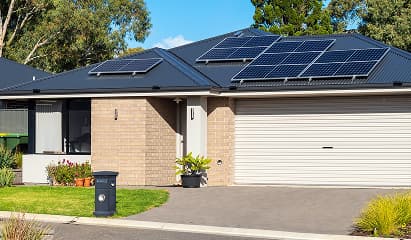
Modern solar panels are more efficient and reliable than ever, meaning systems don't need to be oversized to deliver results. Combined with smarter inverters and optional battery storage, households can now get more consistent savings across the day and evening.
 Solar
Solar17 Jan 2026 • 5 mins read
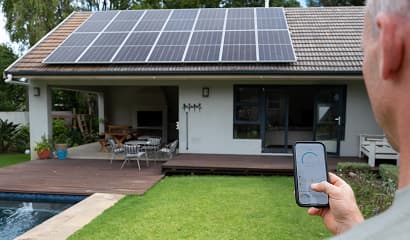
Solar panels generate electricity during the day, but how much you save depends on when you use that energy.
 Solar
Solar17 Jan 2026 • 5 mins read
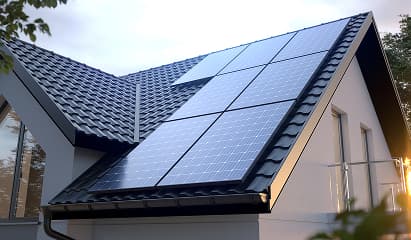
Smaller households or couples often suit a modest system that covers daytime usage and basic needs. Growing families, homes with kids, or people working from home usually benefit from larger systems to handle higher daily demand.